Hiring · Nov 16, 2026
If Everyone Scores 90%, What Have You Actually Learned?
If almost every candidate scores above 90%, the score may not tell you who actually understands the work. A useful assessment reveals differences; a flattering percentage can hide them.
Author
Achin Agarwal
Published
Nov 16, 2026
Reading time
3 min read

Imagine a hiring test where almost everyone scores above 90%.
The candidates are pleased. The hiring team is pleased. Somewhere, a spreadsheet is glowing green.
Then the interviews start.
One candidate understands the subject deeply. Another knows the standard answers. A third has an excellent memory and a rather complicated relationship with the word “why”.
They all looked much the same on the scorecard.
Perhaps the problem was that the questions never gave them a chance to look different.
We grow up with a fairly emotional relationship with marks. Ninety is good. Fifty is bad. A report card with enough red ink can ruin an entire weekend.
But marks get their meaning from the questions.
A fifty on a demanding paper can reveal far more understanding than a ninety on an easy one. The number on its own cannot tell us which candidate knows more.
My experience with the IIT entrance examination shaped how I think about this. A challenging paper gives people room to show different depths of understanding. Getting every answer right is not the only way to demonstrate that you are good.
That matters in hiring because many candidates can answer the familiar questions.
Two people may explain the same programming concept perfectly. Then a constraint changes. One works through what that means. The other returns to the answer they prepared, only a little louder.
The difference was there all along. The first question simply did not reveal it.
A useful assessment can work like a prism. The colours are already in the light; the prism makes them visible. Similarly, a well-chosen question can bring out differences that a polished CV and a rehearsed introduction hide.
Of course, there is nothing clever about making a test impossible. If everyone scores zero, we have merely moved the crowd from one end of the spreadsheet to the other.
And obscure trivia tells us very little about whether someone can do the job. A customer-service candidate does not become better at handling an angry customer by remembering the year a management theory was published.
The interesting difficulty comes from the work itself: an unfamiliar problem, an awkward trade-off, a follow-up question that goes beyond the rehearsed answer.
That is where we begin to see how someone thinks.
This is one of the ideas behind how I think about assessments at Xquizit. The value is in what a question reveals, not in how impressive the resulting percentage looks.
A lower score can contain evidence of real ability. A high score can leave important questions unanswered.
There is something reassuring about a page full of nineties. But when the purpose is to tell candidates apart, a test that makes everyone look brilliant may be keeping its most important information to itself.
Want assessments that reveal how candidates think, not just a flattering score?
14-day free trial · No credit card required
Latest insights
View all insights →
Would You Reject DRS Because It Got One Decision Wrong?
By Achin Agarwal
One bad AI interview call can put the whole idea on trial. Like DRS in cricket, the useful question is whether technology helps people make better hiring decisions than they would without it.
Read insight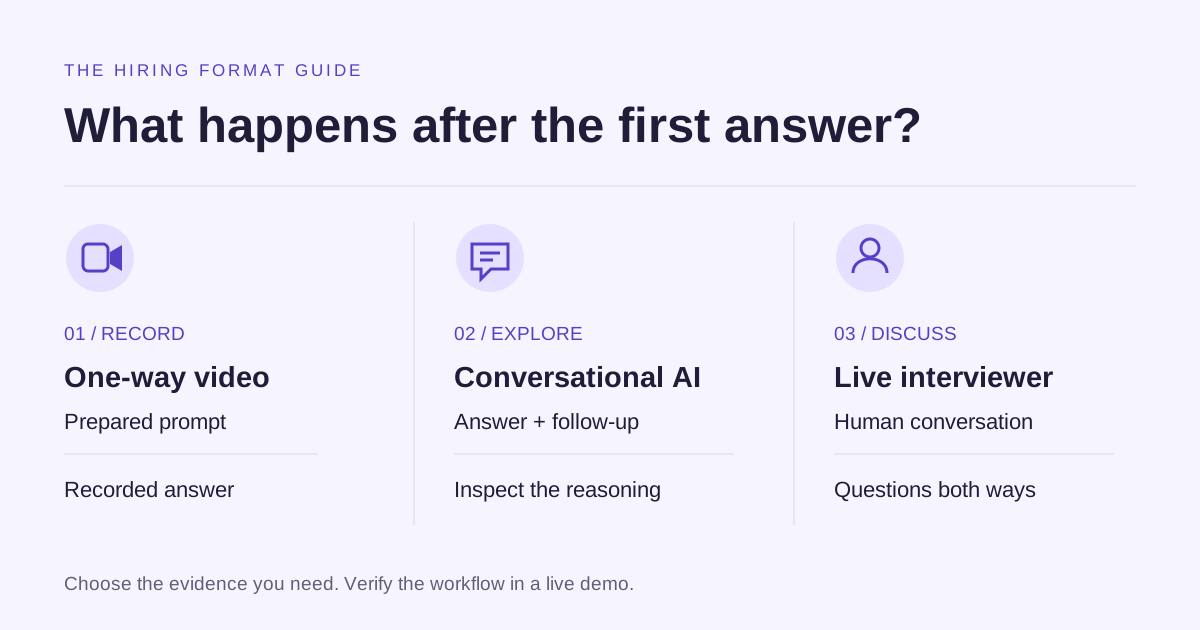
AI Interviews vs One-Way Video Interviews: Which Should You Use?
By Xquizit
Recorded answers, AI follow-ups or a live conversation? Choose the format around the evidence your hiring team needs.
Read insight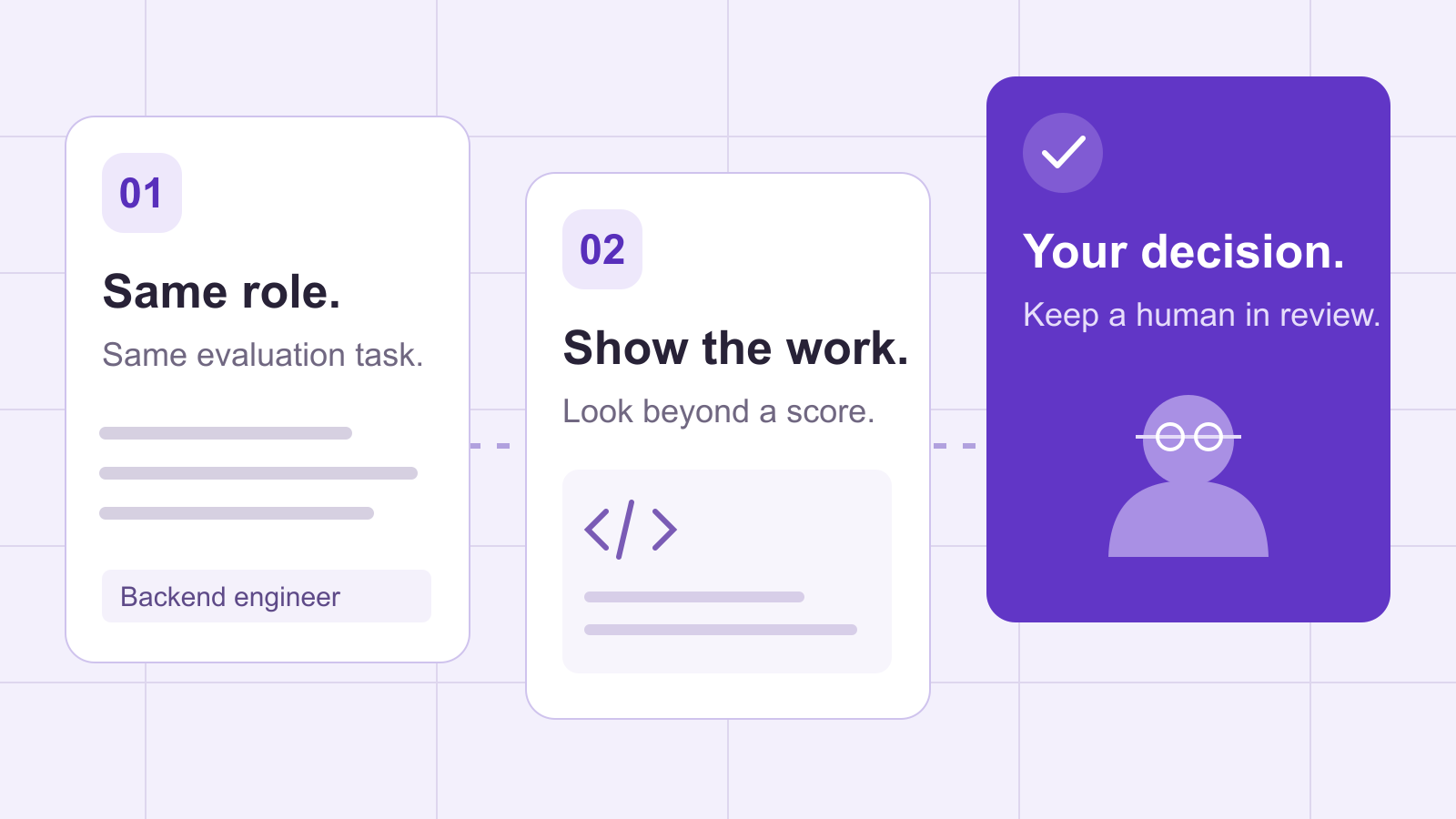
How to Choose AI Interview Software for Technical Hiring
By Xquizit
One role. Five checks. A clear cost. A quick visual guide for hiring teams.
Read insight© 2026 Xquizit. All rights reserved | ALGO ONE AI PRIVATE LIMITED